Introduction
The global fishing tackle market was valued at USD 1.69 billion in 2025, with growth driven by increasing participation in recreational angling and rising demand for premium equipment. This is covered in more depth in the MOQ Guide for Fishing Brands.
For retailers, tackle shops, and distributors serving the carp fishing segment — this expansion represents opportunity, but only for those who source the right products from the right manufacturers.
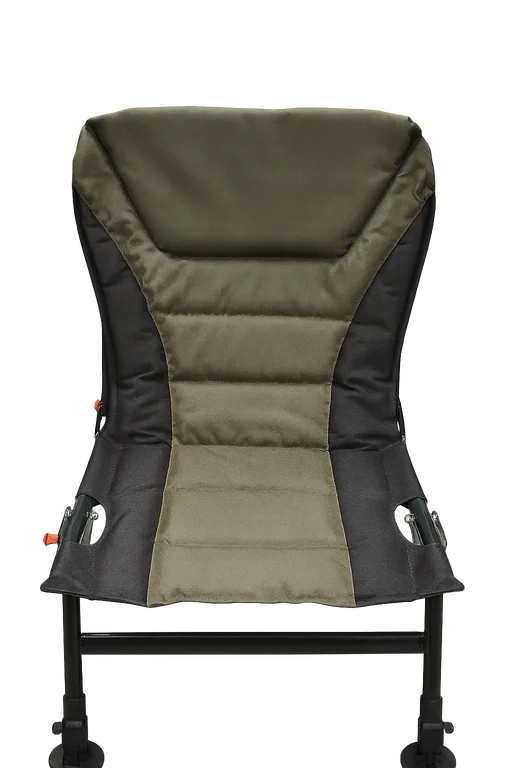
A complete carp fishing setup showing chair, bivvy, and accessories
This guide is for purchasing managers and business owners who need to make informed decisions about carp fishing gear procurement.
Whether you're adding carp tackle to your existing outdoor product line or expanding your fishing inventory, you'll learn how to evaluate manufacturers, understand technical specifications, and negotiate terms that protect your margins.
Market Trends Shaping 2026 Procurement
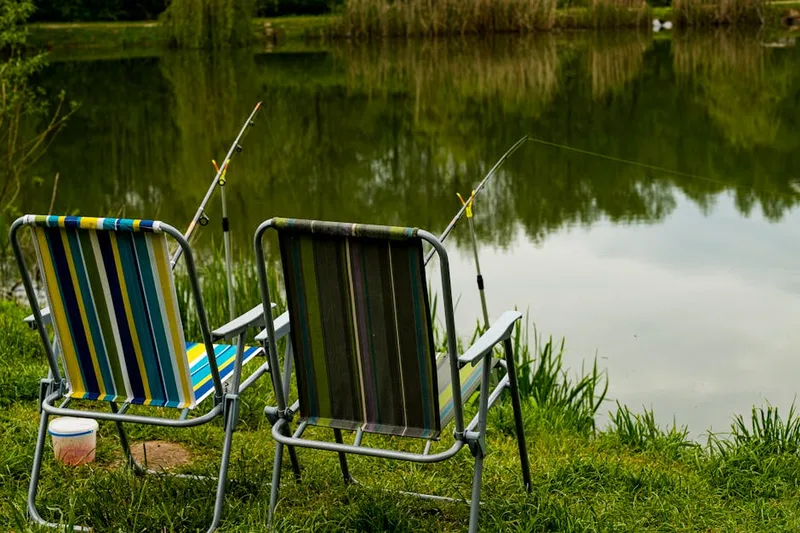
The Shift Toward Ultralight and Packable Gear
Walk around any carp lake today and you'll notice something different. Anglers travel lighter, set up faster, and fish more spots in a single session than they did five years ago.
This mobility trend is reshaping what sells.
Sleeping Bags: The days of bulky 5kg sleeping bags are fading. Anglers now expect packable warmth. Down and synthetic fills with 650-900 fill power dominate 2026 catalogs. Double sleeping bags are an interesting growth area, couples and fathers with kids drive this niche, particularly in Germany and the UK.
Bivvies: Weight matters. Leading brands now offer hooped bivvies under 500g. These maintain 10,000mm+ waterproofing and high breathability ratings. Customers pay premium prices for proven weight reduction. Marketing claims are not enough. They want test data.
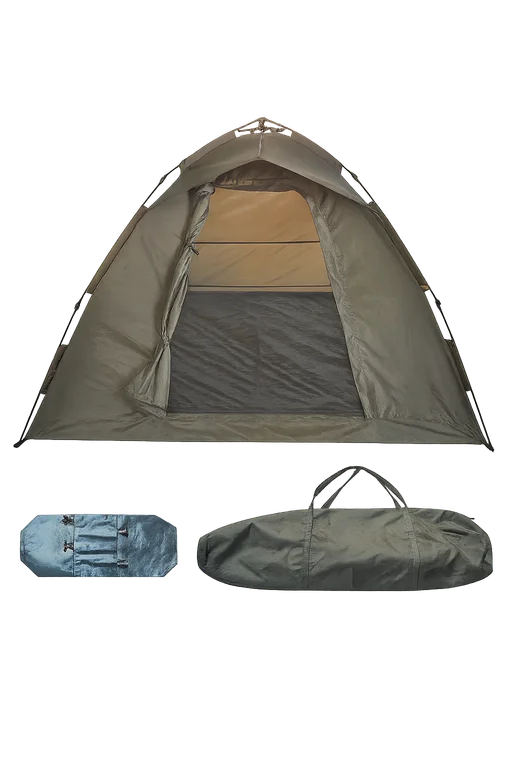
Modern lightweight bivvy designs prioritize packability without sacrificing weather protection
Chairs: Adjustable legs are no longer premium features. They are baseline requirements. Chairs without leveling capability are outdated stock. Check your manufacturer's current models. If they lack this feature, they are behind the market.
Sustainability as a Purchasing Criterion
Environmental concerns used to be a nice-to-have. Now they're showing up in purchase orders.
European retailers feel this pressure first, regulations tighten, and customers want to know where materials come from, who made them, and what happens when the product dies. This shifts what you look for in manufacturers, sometimes dramatically.
Recycled synthetic insulation in sleeping bags is becoming standard, not special. Waterproofing treatments are changing too; traditional PFC-based coatings (perfluorinated chemicals that persist in the environment) are being phased out in favor of PFC-free alternatives that break down more safely.
This move has happened fast, within a single season, PFC-free went from premium feature to baseline expectation on bivvies and outerwear.
Aluminum frame components need responsible sourcing documentation, and even packaging matters, major retailers now reject plastic-heavy shipping materials outright, with no negotiation.
The Premiumization of Core Categories
Here's what the sales data shows: anglers are spending more money on fewer items. They'd rather buy one excellent chair than three mediocre ones.
This "buy less, buy better" mentality changes everything. Entry-level price wars still exist, but they matter less than demonstrating genuine value. Technical specifications have become selling points, not boring details to hide in small print.
Warranty terms influence purchasing decisions as much as price tags. And brand stories, real ones about craftsmanship, materials, durability, actually drive sales instead of just filling marketing brochures.
Product Category Deep-Dive
Carp Fishing Chairs
Chairs seem simple. They're not. Sit in a bad one for twelve hours, and you'll understand why specifications matter more than price tags.
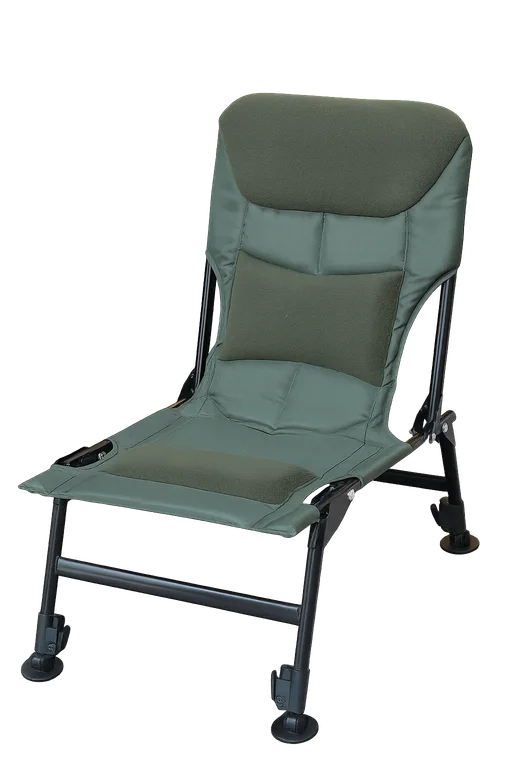
Quality carp fishing chair featuring adjustable legs and ergonomic design
Frame Material: Most quality chairs use 6061-T6 aluminum or powder-coated steel. Aluminum saves weight; steel saves money. But here's what the spec sheet won't tell you: durability under real load matters more than the material itself.
A chair rated for 150kg should handle that weight repeatedly, day after day, season after season, not just once in a factory test. Ask manufacturers about their fatigue testing. If they don't have data, that's a problem.
Leg Adjustment: Four to six adjustable legs with independent leveling are now baseline. But don't stop there. Check the mud feet, flat feet sink in soft bankside ground, and angry customers leave bad reviews about chairs that topple over.
Test the locking mechanisms yourself. They should click into place positively, hold position when you shift your weight, and not require wrestling to adjust.
Plastic components at pivot points are a warning sign; metal washers and bushings indicate engineers who understand what happens to gear in the field.
Seat Fabric: Look for 600D to 1000D Oxford polyester with PVC or PU backing. Higher denier means more durability but also more stiffness and weight.
The sweet spot for carp fishing is typically 600D-800D, tough enough for bankside abuse, comfortable enough for all-night sessions. Anything less than 600D won't last a season of serious use.
Bivvies and Shelters
Bivvies range from simple waterproof bags to complex shelters with multiple poles, groundsheets, and mozzie panels. For purchasing managers, the challenge is matching product tiers to your actual customer base, not every retailer needs the full range.
Entry-Level (€80-150 retail): Basic waterproof bivvy bags with 2,000-5,000mm hydrostatic head. These suit occasional anglers and beginners, high volume, lower margin, frequent turnover. Don't expect loyalty; these customers upgrade quickly or leave the sport entirely.
Mid-Range (€150-350 retail): Hooped bivvies with better ventilation and 5,000-10,000mm waterproofing. Improved breathability ratings of 5,000g/m²/24hr or higher. These serve regular weekend anglers who fish monthly through the season. They research before buying, read reviews, and expect reasonable durability. This is where most retailers make their money.
Premium (€350-800+ retail): Multi-rib structures with pram hoods, quick-erect systems, removable groundsheets, and extensive accessories. Specifications hit 10,000mm+ waterproofing and 10,000g/m²/24hr+ breathability. The target customer is the dedicated carp angler, someone who spends multiple nights bankside and views their gear as an investment, not an expense.
Bedchairs
Bedchairs occupy an awkward middle ground. They're not quite chairs — not quite beds, and they need to function as both for anglers who spend days or weeks bankside. Quality issues here generate more returns than any other category, so choose carefully.
Adult comfort requires 200cm+ length and 80cm+ width. Anything smaller alienates larger customers. Weight typically runs 8-12kg, which sounds heavy until you consider that serious anglers view this as acceptable for the comfort gained. Lighter options exist, but they compromise on stability or mattress quality, trade-offs that rarely satisfy.
Carp Cradles and Weigh Slings
These items protect fish during unhooking and weighing. Get this wrong, and you damage fish, anger conservation-minded anglers, and potentially violate fisheries regulations. Quality here isn't negotiable, it's essential.
The mesh or fabric needs to be soft. Really soft. If it removes the fish's protective slime coat, you've got a problem, that slime prevents infection and helps the fish recover after capture. Rigid frames prevent collapse under large carp, which can top 20kg in some waters.
Sleeping Bags for Carp Anglers
Carp anglers face a specific challenge: conditions are almost always damp, but staying warm through the night isn't optional. This gap between ideal and reality shapes what actually sells versus what just looks good on a spec sheet.
Summer bags with 10°C+ comfort ratings work for fair-weather anglers, but most buyers want more versatility. Three-season bags rated for 0°C to 5°C handle spring through autumn in most European climates, which covers the bulk of the fishing calendar.
Down offers superior warmth for the weight and packs down small, but here's the catch: it loses insulation when wet, and in a carp fishing context, wet happens. Condensation inside bivvies, unexpected rain, damp ground sheets, down suffers.
Synthetic fills are heavier and bulkier, no question, but they retain warmth when damp and dry relatively quickly. For the carp market, synthetic dominates sales volumes for good reason.
Manufacturer Evaluation Framework
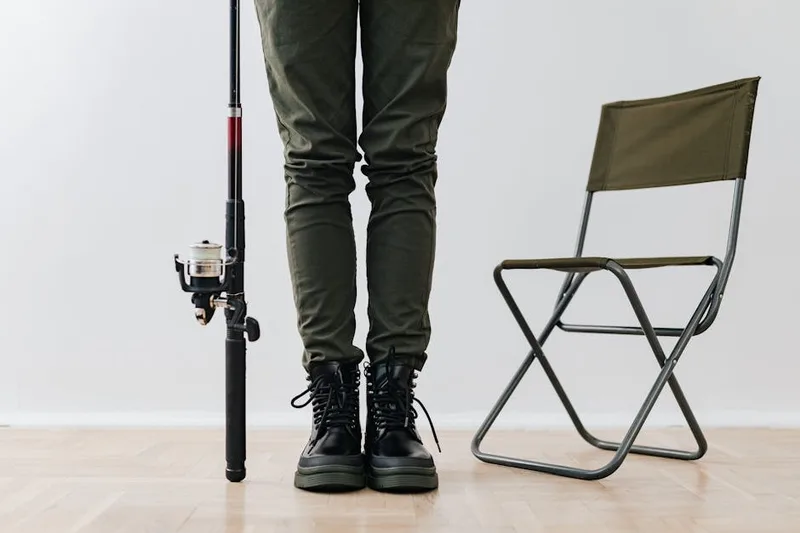
Initial Vetting Checklist
Anyone can find a manufacturer. Finding one that won't let you down, that's the hard part.
Look for at least three years of operation with verifiable history, company registration documents, export licenses, trade references you can actually call and verify.
Financial stability matters more than most buyers realize; a manufacturer who goes bust mid-order leaves you with lost deposits, missed deadlines, and angry customers. Check credit reports where possible, and ask for bank references on any deal worth serious money.
In-house manufacturing offers more control than subcontractor arrangements, but either approach works if properly audited. What actually matters is quality control at multiple production stages, not just a quick look at the finished goods.
Ask about their defect rates, how they handle rework, and what happens when something deviates from specification.
Capacity to handle your volumes seems obvious, but flexibility for custom work or OEM requirements, that's what separates good manufacturers from truly great ones.
Compliance and Certification
REACH compliance isn't optional for the EU market, it's the law. This covers chemical regulations on everything from fabric treatments to metal coatings. CE marking applies where relevant. Product liability insurance should be in place, and you want to see the actual certificate, not just hear that it exists somewhere.
Environmental certifications matter more each year. If sustainability is part of your positioning, you need manufacturers who can back up your claims with real documentation. Greenwashing gets exposed quickly these days, and the reputational damage lasts longer than you think.
Sample Evaluation Protocol
Before any production order, I run the same process every time. Two or three samples per product category. Independent testing, hydrostatic head testing for waterproofing claims, load testing at 150% of rated capacity for chairs and bedchairs, field testing in actual conditions, not just showroom floors.
I evaluate packaging and labeling quality. I check documentation, manuals, care instructions, warranty terms. Poor documentation often signals poor attention to detail elsewhere, and I've learned to trust that instinct.
This takes time. It takes money. Skipping it has cost me more of both in the long run.
Procurement Best Practices
Building Manufacturer Relationships
I've seen buyers treat manufacturers like vending machines, insert money, expect product, move on. That approach costs more than it saves.
The best B2B relationships look more like partnerships. Share sales data and forecasts so manufacturers can plan capacity properly. Provide product feedback from end customers, manufacturers often don't hear directly from users, and your insights help them improve.
Collaborate on new product development when you see market gaps. Honor payment terms even when cash flow gets tight, and communicate proactively about issues instead of going silent.
This isn't charity. Manufacturers prioritize customers who treat them well. When capacity gets tight, when materials run short, when you need a rush order, those relationship deposits pay dividends.
Quality Assurance
Even trusted manufacturers get sampled. I use AQL standards, Acceptable Quality Level protocols that define how many units to check based on lot size. Focus on high-risk categories: anything load-bearing, anything claiming waterproofing, anything safety-critical. Document everything. Photograph defects.
Share findings with manufacturers for continuous improvement, but keep records for your own protection.
Monitor warranty claims and returns by product, batch, and manufacturer. Patterns emerge. A specific chair model with higher-than-normal leg failures. A bivvy batch with zipper problems. This data drives manufacturer conversations and sourcing decisions. Without it, you're guessing.
Inventory and Logistics
Carp fishing follows predictable patterns. Peak season runs spring through autumn in the Northern Hemisphere. Pre-season ordering happens January through March. Post-season clearance opportunities appear October through December.
I plan procurement calendars around these rhythms. Safety stock matters for unexpected spikes, viral social media posts, weird weather patterns, competitor stockouts that send customers my way. But carrying too much inventory through winter ties up capital and risks obsolescence when new models launch. It's a balance.
Legal and Compliance
Signed purchase orders with clear specifications, no ambiguity on materials, dimensions, colors, or quantities. Quality agreements defining acceptance criteria and what happens when standards aren't met. Product liability insurance certificates with your business named as additional insured where possible.
Paperwork is tedious until something goes wrong. Then it's everything.
Conclusion
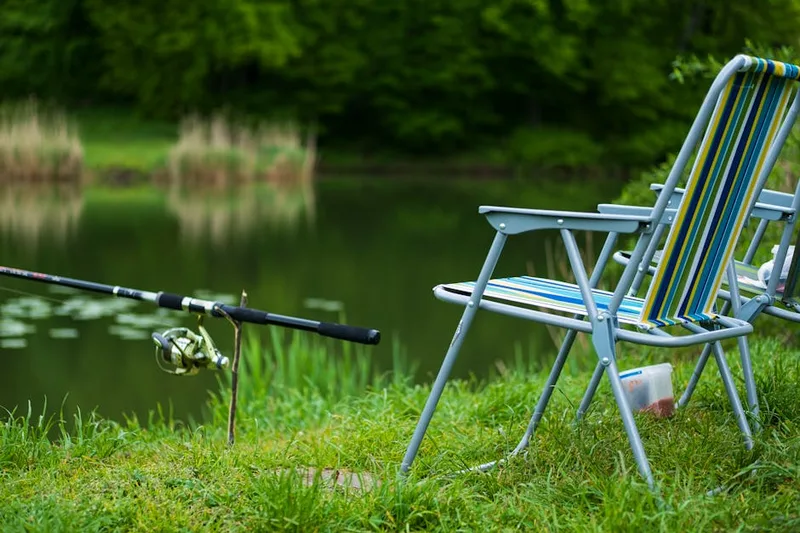
Sourcing carp fishing chairs, bivvies, bedchairs, and accessories well requires both technical knowledge and commercial judgment. The manufacturers who serve your business best combine manufacturing competence with transparency, flexibility, and genuine partnership orientation.
Use the evaluation framework in this guide systematically. Prioritize quality and reliability over lowest unit cost, the reputation damage from product failures far exceeds any margin gained from cutting corners. Track field performance, monitor warranty claims, and maintain honest communication with manufacturers about what's working and what isn't.
The carp fishing market continues to grow and premiumize. Buyers who establish strong manufacturer relationships, maintain rigorous quality standards, and stay attuned to market trends capture disproportionate value from this expansion. Those who chase price alone find themselves in race-to-the-bottom competition they cannot win.
Your manufacturer choices define your business. Choose carefully.
Sources & Industry References
- Carpology Magazine , Leading European publication for carp fishing gear reviews and industry news
- International Game Fish Association (IGFA) , World records, fishing standards, and angling regulations
- Statista: Fishing Industry Data , Market size, trends, and consumer spending on fishing equipment
Ready to Source Quality Carp Fishing Gear?
AnglinGear works with retailers and distributors across Europe. Let's discuss how we can support your 2026 product lineup.
Get in TouchHow long should a quality carp chair last?
With proper care, five to seven years of regular use. Frames rarely fail; fabric wear and mechanism degradation are the usual failure points. Manufacturers offering less than two-year warranties on chairs are telling you something about their confidence.
What's the minimum order quantity for custom branding?
Varies dramatically by manufacturer and product. Entry-level manufacturers might offer OEM from 100 units. Established manufacturers typically require 500-1000 units per SKU for custom colors, logos, or minor specification changes.
How do I verify waterproofing claims?
Request independent test certificates showing hydrostatic head ratings. For large orders, conduct your own spot testing using hydrostatic head testers or third-party labs. Be skeptical of claims without documentation, "waterproof" means different things to different manufacturers.
What's a realistic lead time for production orders?
45-90 days is standard for established products from order confirmation to port departure. New product development adds 60-120 days for sampling, revisions, and tooling. Peak season (January-March for spring delivery) extends these timelines, plan accordingly.
Should I visit manufacturers in person?
For initial relationships and large commitments, yes. Factory audits reveal what video calls and photos cannot. For established manufacturers with proven track records, third-party inspection services can substitute. Never commit significant deposits without either personal visit or professional inspection.