Introduction: The Umbrella Is a Shelter, Not an Accessory
For a carp angler on a long session, the umbrella does more work than the chair. It holds off rain, shades the peg, and anchors the bivvy zone. When it fails, the day fails. For the manufacturing side of this topic, see the Fishing Gear Manufacturing Process.
If you stock umbrellas, you have probably seen the failure pattern: the tilt joint loosens after a season, the ground spike bends on firm banks, the canopy leaks at the seams. Each one is a returns case and a lost customer.
This guide walks through the specs that matter when you place an OEM order for umbrellas with tilt mechanisms and ground spikes, and the checks that keep a container full of umbrellas from becoming a container full of problems.
1. The Tilt Mechanism: Where Most Umbrellas Fail
The tilt lets the canopy angle toward the sun or away from wind. It sounds simple. In production it is the most failure-prone sub-assembly on the whole umbrella.

Tilt types you will see in factory spec sheets
Locking collar with pin: a plastic or metal collar slides over the joint and locks with a pin. Cheap, simple, and the pin is the first thing that breaks or gets lost.
Ratchet or stepped tilt: the joint clicks through fixed angles. More durable than a friction joint, but the ratchet teeth wear and slip under wind load.
Friction joint with clamp: a bolt and clamp hold the angle. Strongest option, but buyers should confirm the clamp hardware is stainless or zinc-plated, not bare steel.
For OEM orders, specify the mechanism type in writing. "Tilt umbrella" on a PO tells the factory nothing useful. "Ratchet tilt, 4-position, stainless pivot pin" tells them exactly what to build.
Tilt tests to request
Ask for a cycle test: the tilt joint should survive repeated angle changes without loosening. A reasonable spec is several hundred cycles with no more than a small, stated amount of play.
Also check wind behaviour. A tilt umbrella in a gust acts like a sail. The spec should state the maximum wind speed the umbrella is rated to withstand at full tilt, and the test method used to measure it.
2. Ground Spike: The Anchor That Gets Battered
The ground spike takes the worst abuse. It is driven into hard banks, pried out of clay, and left in the rain. Corrosion and bending are the two failure modes.
Spike materials and coatings
Stainless steel: the right choice for saltwater and long-term durability. Costs more, but avoids the rust streaks that stain the canopy storage bag.
Zinc-plated steel: cheaper and fine for freshwater use, provided the plating is thick enough. Thin plating wears through at the driving point within a season.
Aluminium: light, but soft. Aluminium spikes bend on compacted banks. Avoid for the main spike; use it only for the secondary peg or guy line stakes.
Design details that prevent returns
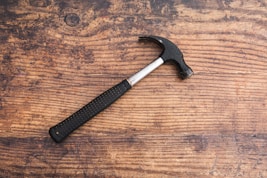
The spike should have a tapered point and a shoulder or collar that stops it being driven too far into the umbrella hub. Without a collar, repeated hammering damages the hub threads.
Confirm the spike fits the hub with a positive lock, not a friction push. A twist-lock or spring-pin connection keeps the spike attached when the umbrella is tilted in wind.
If the umbrella is sold with guy lines, the stakes should match the spike material. Mixed metals in the same kit look sloppy and corrode at different rates.
3. Canopy Fabric: Waterproofing and UV Are Different Jobs
The canopy does two jobs: keep rain out and keep sun off. They need different specs, and the marketing copy usually blurs them.
Waterproofing is about hydrostatic head. Look for a stated rating, commonly 2000mm or higher for serious shelter fabric. Seams need taping or sealing; unsealed seams are the classic leak point.
UV protection is about the coating and the fibre. A UPF-rated fabric blocks more sun than a generic "UV resistant" claim. For retail stock, the label should state the rating, not just the claim.
Fabric weight: heavier polyesters (around 190T or above) hold shape better in wind and last longer. Ultra-light canopies sell well on paper but flap and wear at the stitching under real conditions.
Ask the factory for the fabric spec sheet: fibre type, thread count, coating, and the test certificate for water resistance. If they cannot produce one, treat the waterproof claim as unverified.
4. Frame Materials and Rib Construction
The frame is the skeleton. Ribs carry the canopy; the main pole carries the load to the ground spike. Both need material specs, not adjectives.
Ribs: fibreglass is the common mid-range choice, flexible and cheap. Aluminium ribs are lighter and stiffer but can kink under a hard knock. Steel ribs are heavy and mostly obsolete here.
Main pole: aluminium with a wall thickness of at least 1.0 to 1.2mm handles normal use. Thinner walls save weight and fail early. For a range aimed at serious carp anglers, specify the heavier wall and say why on the product page.
Check the ferrule joints between pole sections. Loose ferrules make the whole umbrella wobble and are a leading cause of "wobbly umbrella" returns.
5. MOQ, Packaging, and Inspection
MOQ for OEM umbrellas typically starts from 10 pieces per design. Custom canopy colours or printed logos add to the minimum. Lead time is usually 30 working days from order confirmation.
Packaging matters more than it looks. Umbrellas arrive in telescopic tubes; a thin tube with no end caps crushes in transit. Specify double-wall tubes and padded end caps for any order that ships by sea freight.
Request a pre-shipment inspection with these checks:
- Tilt test: cycle the joint 10 times, confirm no play and positive lock.
- Spike fit: spike locks into hub, collar stops over-drive, no rust on plating.
- Seam check: open the canopy fully, look for loose or missed stitches at the seams.
- Ferrule firmness: extend the pole, confirm sections lock without wobble.
- Canopy spread: open the umbrella fully, check for even tension and no pulled threads.
Related Reading
For more on the wider shelter category, see our Bivvy vs Brolly procurement guide, the fishing umbrella buying guide, and the bivvy fabric spec guide. For the chair that sits under the umbrella, start with our seating procurement framework.
Conclusion
The umbrella is a simple product that fails in predictable places: the tilt joint, the spike, the seams. When you order OEM, you are buying the factory's answers to those three problems.
Spec the mechanism type and the spike material in writing. Ask for the fabric test certificate. Inspect the tilt, the spike fit, and the seams before the container ships. That is the whole job, and it is a short checklist compared with the cost of a bad run.
Fishing Umbrella OEM: Common Questions
What is the typical MOQ for OEM fishing umbrellas?
Most factories start around 200 to 300 pieces per design. Custom canopy colours or printed logos raise the minimum. Lead time is typically 30 working days from order confirmation.
Which tilt mechanism is most durable?
A friction joint with a stainless or zinc-plated clamp is the strongest option. Ratchet mechanisms are cheaper but their teeth wear under wind load. The locking collar with pin is the least durable and the pin is commonly lost.
Stainless or zinc-plated ground spike?
Stainless steel for saltwater and long service life. Zinc-plated steel is acceptable for freshwater if the plating is thick. Avoid aluminium for the main spike, it bends on hard banks.
What fabric spec prevents leaks?
Look for a stated hydrostatic head rating (2000mm or higher) and taped or sealed seams. Unsealed seams are the classic leak point. Ask the factory for the fabric spec sheet and test certificate.
Ready to Talk Umbrella OEM Specs?
Tell us your target market and the failure modes you have seen in your returns. We will spec the umbrella range around the problems you actually face.
Discuss Your Umbrella Range(This is a living document and will be updated to reflect changes in industry regulations and supply chain best practices.)